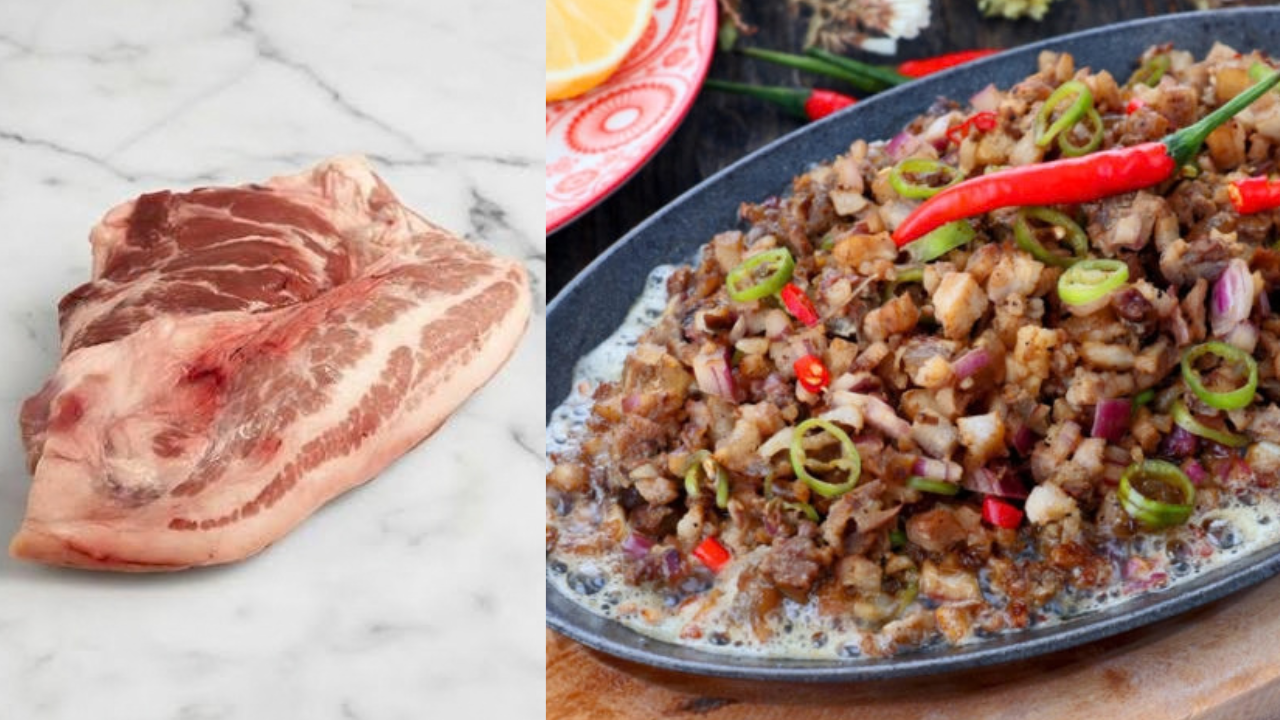
At first glance, the brewing trade dispute over “pork jowl” looks like nothing more than dry bureaucratic jargon. It sounds like an issue safely confined to air-conditioned boardrooms, involving customs classifications, tariff rates, and complaints from American hog raiser groups. But in the Philippines, this technicality strikes at the very heart of our culinary identity and daily budget. For millions of Filipinos, this is not just about economics; it is about the ultimate cost of our beloved sisig.
Pork jowl—the pig’s cheek—is the absolute soul of authentic sisig. It offers that perfect, irreplaceable harmony of gelatinous tenderness, crunch, and rich flavor that defines a national staple. Unfortunately, this comfort food is heavily reliant on foreign supply. If the government mismanages tariff adjustments on imported pork jowls, the financial math is painfully predictable: higher costs for importers will inevitably trickle down to distributors, restaurant owners, karinderya operators, and ultimately, the consumer.
Are we ready to pay more for a plate of sizzling sisig? While a price hike might not happen overnight, an increase from the usual 80 or 100 pesos per serving by even just a few pesos is a heavy blow. In an economy where ordinary citizens are already counting every centavo, any inflation on the dinner table pinches the pockets of budget-conscious families and threatens the margins of small food businesses trying to stay afloat.
However, a purely consumer-centric view ignores a long-festering wound in our agricultural sector. Local hog raisers have been suffocating for years under the weight of cheap foreign imports. Devastated by the African Swine Fever (ASF) outbreak and burdened by skyrocketing production costs, our local farmers see higher import tariffs not as a restriction, but as a desperately needed shield. For them, strict import regulations represent a fighting chance to rebuild a dying local industry and protect the livelihoods of thousands of Filipino families dependent on backyard farming.

This leaves our economic managers trapped in a classic dilemma: how do you protect the local industry without starving the consumer? Unfortunately, the state’s historical track record reveals a bad habit of relying on knee-jerk solutions—either opening the floodgates to cheap imports at the expense of local farmers, or slapping protectionist taxes that blindside the public. Finding the equilibrium between supporting local hog raisers and keeping food affordable in grassroots eateries requires proactive structural support, not just passive tariff manipulation. Every single peso added to food prices today reverberates heavily across the working class.
Ultimately, the controversy surrounding the humble pork jowl exposes a deeper reality about our national food security. It reminds us that our local dishes are never truly isolated from global trade policies. The government must step up and balance these delicate scales immediately. Otherwise, the true price of their administrative indecision will be paid directly by the ordinary Filipino, one sizzling plate at a time.
Leave a Reply