The global geopolitical landscape is shifting rapidly, and at the center of this transition is the escalating debate over nuclear ambition and regional power dynamics.
While nuclear capability is often framed as a vector for energy modernization and economic growth, it carries serious security risks—and its geopolitical ripple effects extend far beyond the borders of powerful nations.
For a developing country like the Philippines, distant conflicts in key global regions like the Middle East are never just foreign news; they are directly linked to our local economy and national stability.
The debate surrounding nuclear power in the Middle East highlights a delicate balance between domestic advancement and regional security.
Iran’s Ambiguity: Despite long-standing safeguards under the International Atomic Energy Agency (IAEA), the withdrawal of the United States from the Joint Comprehensive Plan of Action (JCPOA) rekindled global skepticism. Questions remain over whether Tehran’s program is strictly for peaceful energy generation or serves broader strategic ambitions.
Saudi Arabia’s Counter-Move: Not to be left behind, Saudi Arabia—a pivotal ally of Washington—is actively pursuing its own nuclear energy framework. While positioned as an initiative toward modernizing energy infrastructure, it inevitably alters the regional power balance, sparking concerns of a race for influence across the Middle East.
The Philippines is not a party to these nuclear agreements or regional rivalries, yet our economy and citizens remain uniquely vulnerable to their outcomes.
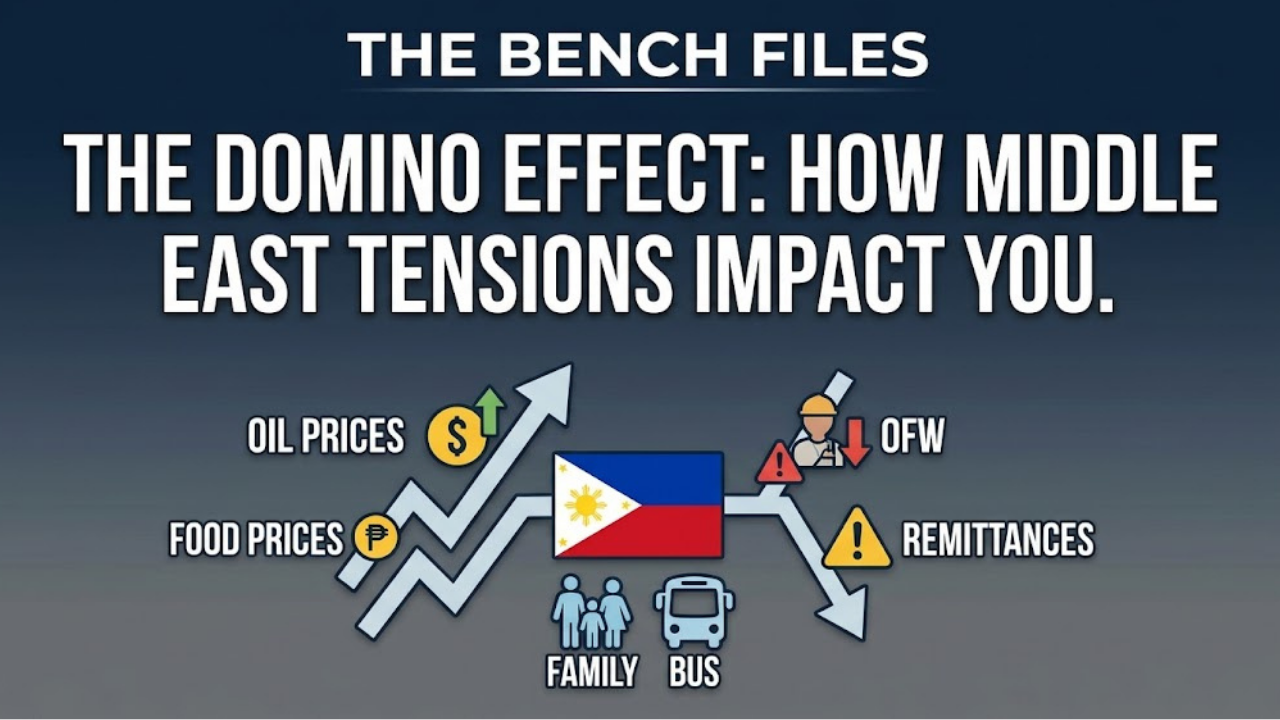
Middle Eastern instability directly impacts global oil production. Any escalation in regional tension immediately drives up crude oil prices, triggering an economic domino effect back home.
Rising pump prices mean higher public transport fares for daily commuters. Increased logistics costs drive up the price of basic commodities, including staple foods like rice and everyday consumer goods.
Higher energy prices squeeze ordinary households and strain the overall purchasing power of the working class.
Beyond crude oil and market indicators, the human toll poses the greatest threat. Millions of Overseas Filipino Workers (OFWs) reside and work across the Middle East. Regional conflict creates immediate risks.
Heightened security risks expose workers to danger and potential emergency repatriation.
Remittances from OFWs are vital to millions of Filipino families and serve as a cornerstone of the country’s macro-economic resilience. Disrupted livelihoods mean immediate financial hardship for families back home.
Nuclear energy undeniably symbolizes high-tech modernization and a potential pathway to cleaner power. However, without strict oversight and accountability, technology becomes a catalyst for global instability.
For the Philippine government, addressing these external shocks requires a proactive and cautious foreign policy strategy:
Diplomatic or technical engagements under the banner of “energy cooperation” must be vetted with stringent regulatory safeguards and clear risk assessments.
The Philippines must maintain a balanced diplomatic position—benefiting from global technological advances while insulating itself from great-power conflicts.
Government agencies must maintain active contingency and evacuation protocols to safeguard overseas workers whenever regional rivalries intensify.
Every strategic move made by world powers in distant regions carries tangible consequences for ordinary Filipinos—reflecting in electricity bills, daily jeepney fares, grocery receipts, and the safety of our workforce abroad.
As global players navigate nuclear ambitions and regional dominance, the Philippines must remain vigilant and strategically neutral, ensuring that global technological progress does not come at the expense of our national economic stability and the well-being of our people.
Leave a Reply