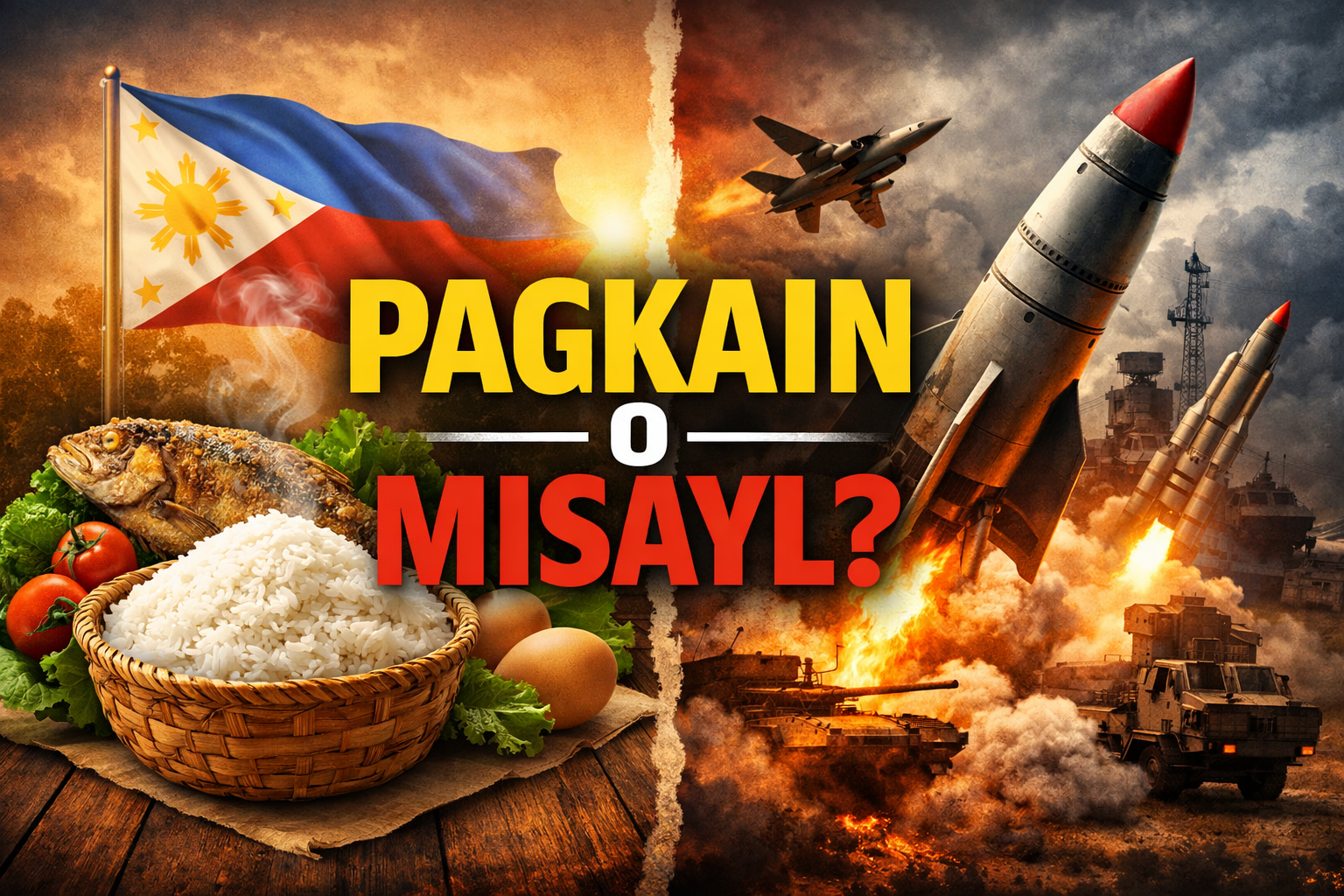
Within ASEAN’s 11-member bloc, the prevailing focus remains clear: economic cooperation, trade, and the collective pursuit of stability under the founding principle of the “zone of peace, freedom, and neutrality” (ZOPAN). Yet the Philippines stands apart, charting a course that prioritizes defense alliances and military alignments over economic integration.
Security expert Dr. Roland Simbulan underscores this divergence: “ASEAN emphasizes economic cooperation and trade as core priorities. The Philippines diverges by prioritizing defense alliances, including inviting U.S. missile systems in its territory, which raises concerns among fellow ASEAN nations. Other ASEAN countries, such as Malaysia, express concern that the Philippines’ military alignments may drag the region into conflicts and disturb ZOPAN.”
This observation cuts to the heart of the dilemma. While Manila seeks to bolster its defenses against Beijing’s assertiveness in the West Philippine Sea, it does so by deepening reliance on Washington’s military umbrella. The problem is that the United States has long been accused of sustaining a doctrine of “forever wars” — endless conflicts that serve its strategic and industrial interests. By hosting U.S. missile systems and expanding joint military exercises, the Philippines risks becoming a pawn in this larger geopolitical contest.
The benefits of alliance are undeniable: access to modernized equipment, training, and a semblance of deterrence. But the costs are equally stark. The Philippines is placed squarely in the line of fire should tensions escalate between Washington and Beijing. For ASEAN neighbors, this trajectory threatens to fracture regional unity and undermine the bloc’s collective commitment to neutrality and peace.
The challenge, then, is balance. The Philippines must defend its sovereignty, but not at the expense of its independence in foreign policy. To remain credible within ASEAN, Manila should recalibrate — strengthening economic ties with fellow members and diversifying partnerships beyond the U.S. defense orbit.
Ultimately, the real battle for Filipinos is not fought with missiles but with rice bowls. The question is whether national policy will prioritize the ‘palabigasan ‘ of Juan dela Cruz or the machinery of perpetual war.
Leave a Reply