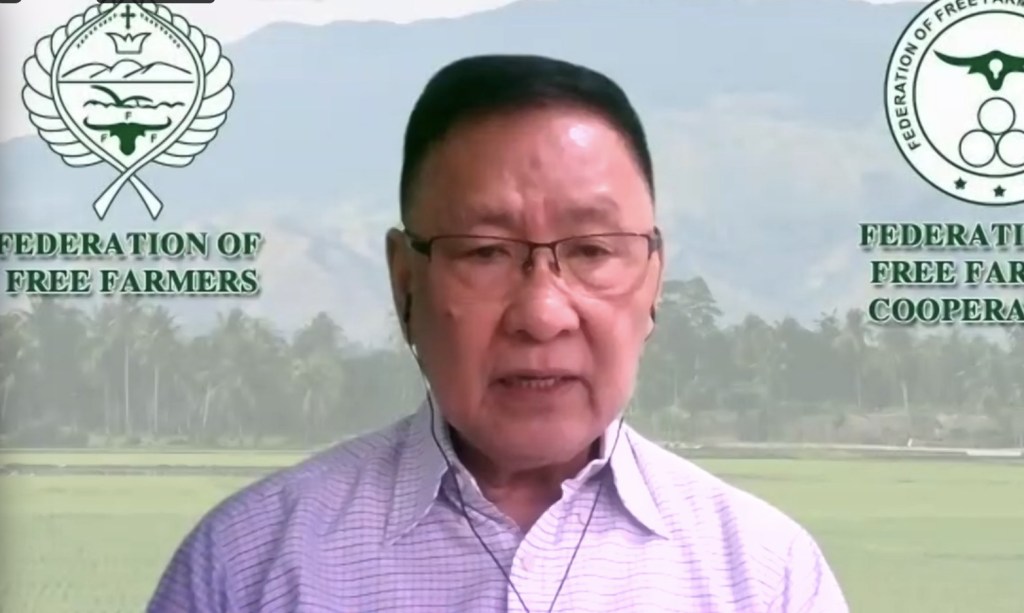
In a recent interview on DWAR- Abante Radyo’s “WALANG ATRASAN” program, former Agriculture Secretary and current Federation of Free Farmers (FFF) Chairman Leonardo Montemayor shed light on the complex reality behind the recent spike in rice prices.
While the market shift offers a glimmer of hope for local producers, Montemayor warned that it comes with a heavy burden of rising costs.

Montemayor explained that the price hike is a combination of several factors. He pointed to global instability, specifically tensions involving Iran, which have triggered speculation and a surge in the cost of petroleum-based products.
This global volatility has a direct “domino effect” on the Philippine table:
Increased diesel and gasoline prices have forced transporters to raise rates for hauling agricultural goods.
Higher international shipping rates are being passed on by exporters to Filipino consumers.
Local farmgate prices for palay have risen to P23–P25 per kilo for fresh harvest and upwards of P30 for well-dried grain.
For many farmers, the price increase is a welcome change after a devastating previous year where many suffered heavy losses due to low palay prices.”It’s a favor to our farmers… they are finally able to recover,” Montemayor told program host Benjie Alejandro.
However, the FFF Chairman was quick to temper this “good news”. He noted that farmers are also consumers who are now reeling from the high cost of daily necessities, transportation, and education.
“They are happy because the price of palay went up, but we don’t know how long this will last… as consumers themselves, our farmers are also hurting,” Montemayor stated,
There are growing concerns regarding the national rice supply. Montemayor suggested that production for the first quarter may be “steady or slightly lower” than last year. He attributed this to many farmers becoming “discouraged” after last year’s losses, leading some to skip planting or reduce their use of expensive fertilizers.
With diesel prices reportedly hitting above P100 per liter in remote areas like Mindoro Oriental, the cost of operating farm machinery is becoming unsustainable. Montemayor emphasized that without significant government intervention—specifically subsidies for fuel and fertilizer —production levels could continue to drop.
While the government has called for citizens to “tighten their belts” and contribute what they can to weather the crisis, Montemayor argued the responsibility should be reversed. “It should be the other way around; the government must be the one to find ways to help our poor countrymen,” he concluded.
 The Bench Files
Leave a comment