
The discourse over the South China Sea has flared up once again with the exchange of statements between ML Partylist Rep. Leila de Lima and the Chinese Embassy in Manila. De Lima firmly insists on asserting the Philippines’ rights under international law, while the embassy reiterates its claim of historic sovereignty.
This kind of exchange exposes the depth of the conflict—not only between two governments but also between two contrasting perspectives.
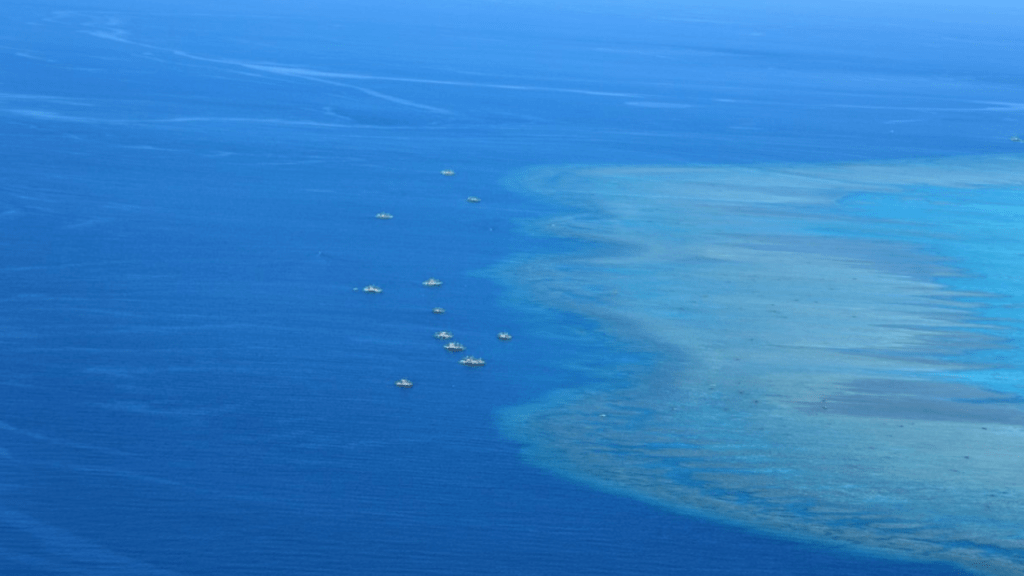
From China’s side, their narrative is rooted in the concept of “historic rights” embodied in the so‑called nine‑dash line. Within their own country, this provides a sense of national identity and serves as the basis of strategic interests. Yet on the global stage, this claim has been repeatedly challenged, especially after the arbitral tribunal’s 2016 ruling that rejected such arguments under UNCLOS.
Meanwhile, the Philippines’ position is clear: the islands and waters within our exclusive economic zone are part of our rights. From the government’s perspective, China’s actions—from building artificial islands to militarization—are seen as challenges to regional stability. At times, however, the strong pronouncements of certain officials become obstacles to more careful diplomatic discourse.
But it is not only China and the Philippines on the stage. Behind the issue are “outside forces” such as the United States and its allies. Their presence—from joint military exercises to strong statements—adds further complexity to diplomacy, driven by their own interests in the region.
Two lenses collide: history versus law. Yet in the broader picture, a third force enters—the geopolitics of foreign powers. This clash of narratives and interests shows just how difficult it is to resolve the dispute.
For the Philippines, the practical lesson of Realpolitik is clear: continue asserting our claims under international law, but pair this with strategic engagement—not only with China but also with allies—to avoid confrontation.
What does all this mean for the ordinary Filipino? While leaders clash on the diplomatic stage, most Filipinos wrestle daily with low wages, high food prices, electricity bills, rent, medicine, transport, and other basic needs. The South China Sea dispute remains a distant issue for them, as the real struggle is how to make ends meet each day and keep rice in the pot.
 The Bench Files
Leave a comment