From Caracas to Tehran: A New Era of U.S. Muscle
The dramatic capture of Venezuelan leader Nicolás Maduro by U.S. forces in early January 2026 sent shockwaves across Latin America. Days later, Iran erupted in nationwide protests, with Washington openly weighing military options against Tehran. These moves mark a bold, unilateral streak in U.S. foreign policy—one that signals a willingness to intervene far beyond traditional war zones.
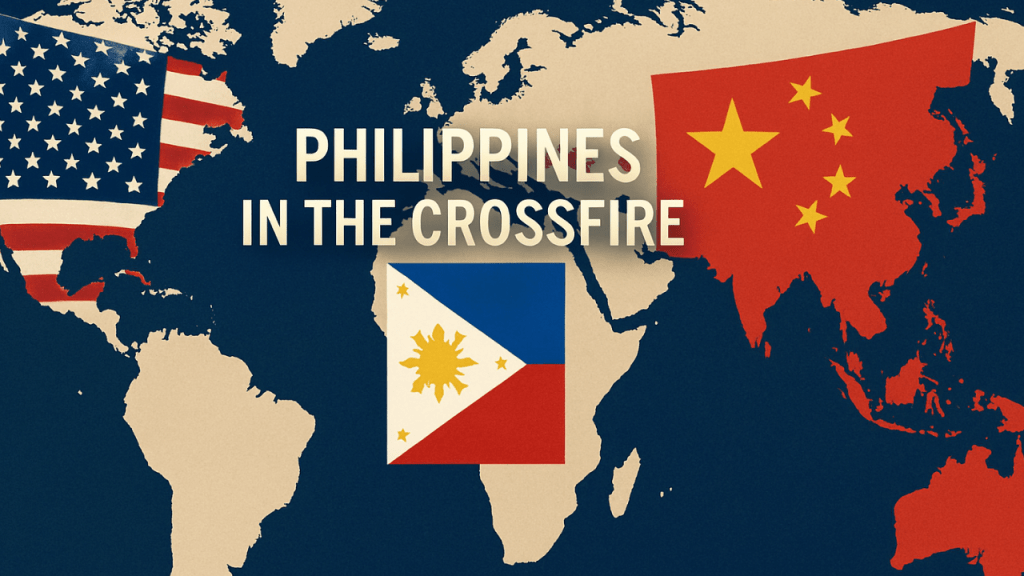
For smaller nations like the Philippines, these developments are not distant headlines. They are reminders of how quickly global rivalries can spill into our own region.
The Philippines’ Strategic Dilemma
Alliance with the US: As a treaty ally, Manila is expected to support Washington’s stance. American bases, joint exercises, and defense commitments tie our security to U.S. strategy.
Economic ties with China: At the same time, China remains our largest trading partner, investing in infrastructure and shaping regional supply chains.
Regional flashpoints: The South China Sea disputes place the Philippines at the literal frontline of U.S.–China rivalry. Every escalation—from freedom of navigation patrols to military drills—tests our balancing act.
Lessons from Venezuela and Iran
Sovereignty under strain: Venezuela’s leadership was removed overnight, while Iran faces threats of intervention. Both show how smaller states can be reshaped by the decisions of big powers.
Economic vulnerability: Sanctions, inflation, and unrest in these countries highlight how external pressure can destabilize domestic politics. The Philippines, with its reliance on imported fuel and food, is not immune to similar shocks.
Global ripple effect: Oil markets, trade routes, and alliances are all disrupted when Washington flexes its muscle. Manila must prepare for the economic aftershocks of any U.S.–Iran confrontation.
What This Means for Filipinos
Foreign policy crossroads: Should the Philippines lean harder into its U.S. alliance, or hedge by engaging China and ASEAN neighbors?
Domestic resilience: Inflation, energy security, and food supply chains must be strengthened to withstand global turbulence.
Voice in global forums: Manila can amplify calls for international law and multilateralism, positioning itself as a stabilizing voice amid great power rivalry.
Conclusion
The rivalry of big powers is no longer abstract—it is unfolding in real time, from Caracas to Tehran, and reverberating across the Pacific. For the Philippines, the challenge is clear: how to safeguard sovereignty and prosperity while caught in the crossfire of giants.
 The Bench Files
Leave a comment