
As the Philippines prepares to assume the chairmanship of the Association of Southeast Asian Nations (ASEAN) in 2026, the stakes could not be higher. In a wide-ranging interview with Professor Roland Simbulan, a respected security analyst, the conversation revealed both the opportunities and challenges facing the country as it steps into a pivotal regional role.
Flashpoints in the Region
Professor Simbulan underscored that the West Philippine Sea and the Taiwan Straits remain the most volatile flashpoints in Asia. China’s determination to reclaim Taiwan and its assertive posture in the South China Sea continue to heighten tensions, with ripple effects across Southeast Asia.
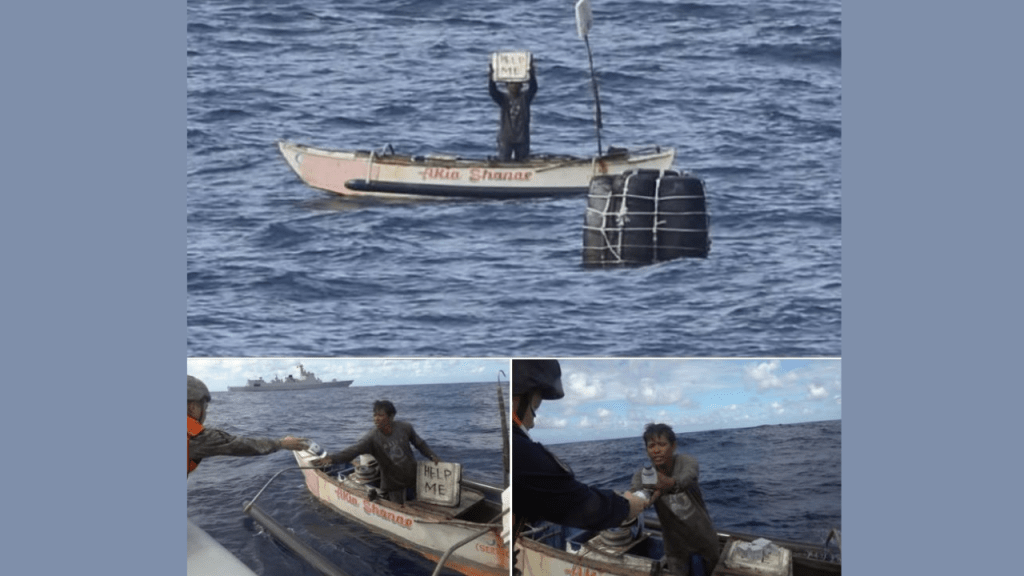
For ASEAN, these disputes are not abstract—they directly affect member states. Cambodia and Thailand’s border clashes, coupled with Myanmar’s ongoing civil strife under military junta rule, add layers of instability to the regional landscape.
The Arms Race and Shifting Priorities
The interview highlighted a troubling trend: countries in the region are diverting resources from education, healthcare, and social services to defense spending. “There is already an arms race,” Simbulan warned, noting that militarization risks overshadowing ASEAN’s founding purpose as an economic cooperation bloc, not a military alliance.
ASEAN as an Economic Powerhouse
With a combined population of nearly 680 million, ASEAN has the potential to rival blocs like the European Union. Simbulan emphasized that unity is key: “If ASEAN acts collectively, our position is stronger than if we act individually.”
Tourism and trade remain vital engines of growth. Yet the Philippines lags behind neighbors like Vietnam, Singapore, and Malaysia in attracting visitors. Peace and order, infrastructure, and visa policies have hampered the country’s competitiveness, despite its proximity to China—the world’s largest source of tourists.
The Philippines’ Global Role
Beyond ASEAN, the Philippines is vying for a non-permanent seat on the United Nations Security Council. Simbulan argued that effective leadership within ASEAN could bolster this bid, positioning the country as a peacemaker and economic agenda-setter.
At the same time, the Philippines’ hosting of US military assets under EDCA has raised concerns among ASEAN peers. Some view Manila’s actions as unilateral, potentially destabilizing regional cooperation. Simbulan cautioned that such moves invite scrutiny not only from China but also from Russia and North Korea—nuclear-armed states with the capacity to retaliate.
A Strategic Opportunity
Despite these challenges, Simbulan sees a unique opportunity: “The Philippines, because of its strategic location, has an important role as a peacemaker to bridge conflicts among even the big powers themselves.”
As ASEAN chair in 2026, the Philippines must balance diplomacy, economic cooperation, and security concerns. Its leadership will not only shape regional stability but also influence global dynamics at a time when great power competition is intensifying.
 The Bench Files
Leave a comment