
Malacañang has hailed the Marcos administration’s success in bringing inflation down to 1.6% from January to November 2025, a sharp drop from 3.4% in 2024. Officials say the slowdown reflects decisive government action to stabilize prices and protect household purchasing power, particularly for rice.
Executive Secretary Ralph G. Recto explained that lower inflation means Filipinos can buy more with their money. “At 6% inflation, P100 buys only about P94 worth of goods. With inflation at 1.6%, that same P100 now buys P98.4 worth,” Recto said, stressing the benefit for poor families.
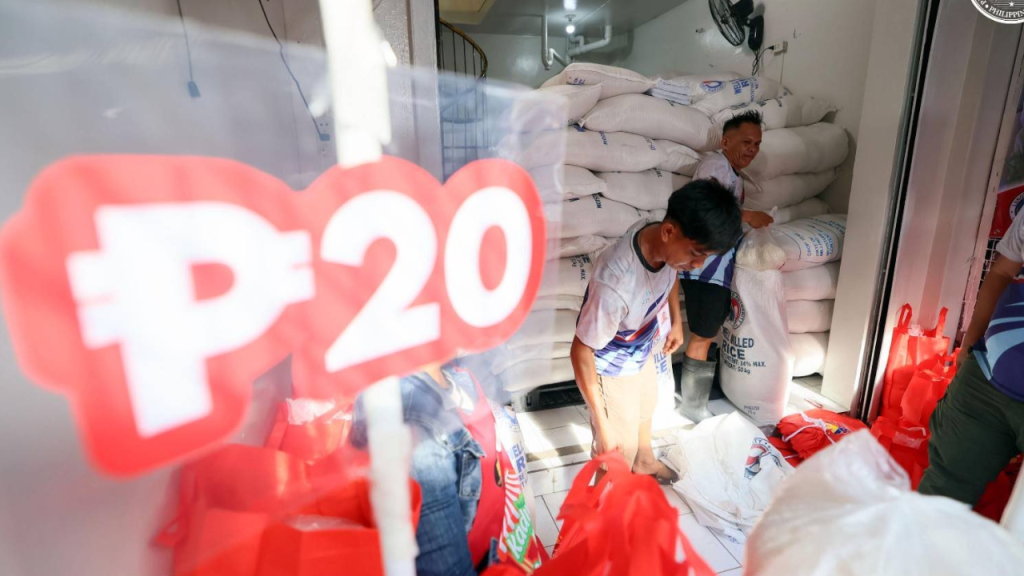
But on the ground, many households report a different reality. Food prices remain high, with rice, vegetables, and meat still straining budgets despite official claims of P20 per kilo rice. Market surveys show retail prices often double that figure, raising questions about whether the statistical gains translate into genuine relief for consumers.
Analysts note that while headline inflation has eased, food inflation diverges from the overall Consumer Price Index (CPI). For low-income families, food accounts for the bulk of spending, meaning even small increases in staple prices hit harder than the averages suggest.
The government points to international recognition of its economic management. S&P Global Ratings reaffirmed the Philippines’ BBB+ investment-grade rating with a Positive Outlook, citing stability and growth prospects. Multilateral institutions also project GDP expansion of around 5% in 2025, outpacing advanced economies and most ASEAN peers.
Still, the disconnect between official figures and everyday experience remains a challenge. For many Filipinos, the promise of low inflation is measured not in percentages but in the price of rice, fish, and vegetables at the market.
 The Bench Files
Leave a comment