
The Philippine economy is showing signs of strain as the peso retreated to the 59:$1 level and the Philippine Stock Exchange Index (PSEi) plunged to a three-year low, following a disappointing third-quarter GDP report that revealed a mere 4% growth—the weakest pace in four years.
Astro del Castillo, managing director at First Grade Finance, emphasized that the slowdown is not inevitable but rather the result of compounding challenges. “It confirms our belief that slower growth is not an inevitable fate but the result of both natural calamities and preventable man-made challenges,” he said, pointing to recent typhoons and ongoing corruption scandals as key disruptors.
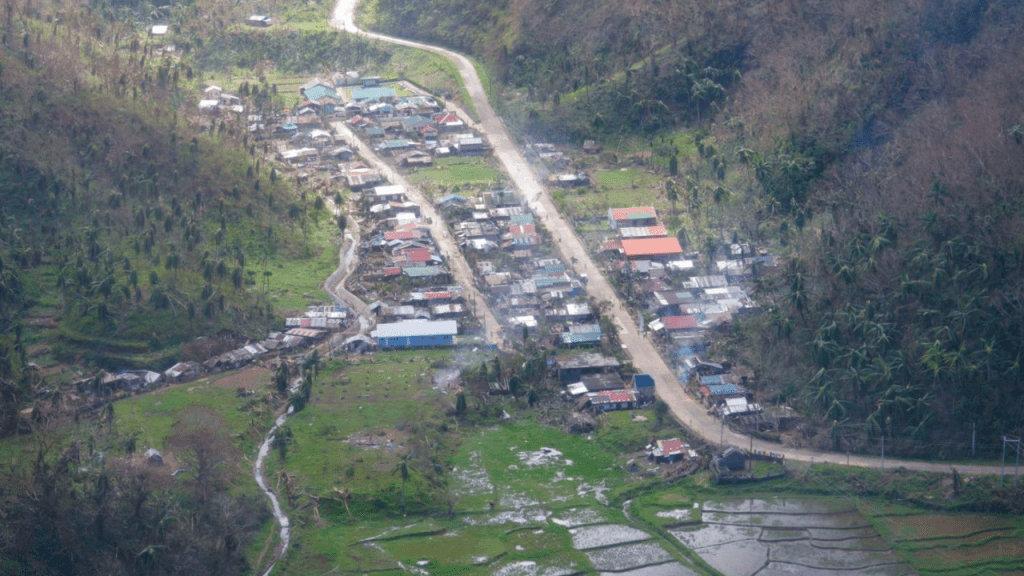
Del Castillo added, “Typhoons and graft problems have undeniably slowed our progress and undermined public confidence.” The third-quarter figures reflect a broader economic malaise, with government spending curtailed amid corruption probes and investor sentiment shaken by instability.
Looking ahead, del Castillo warned that fourth-quarter growth may follow a similar trajectory, but with intensified risks. He cited “heightened economic disruptors most notably the consequences of trade with the United States and the potential passage of the Keep Call Centers in America Act of 2025.” The proposed U.S. legislation could significantly impact the Philippines’ BPO sector, a cornerstone of its service economy. “If left unaddressed, these factors could erode our competitive edge and deepen disparities,” he cautioned.
The financial analyst urged the government to take decisive action. “The government should prioritize the economy over politics and commit to clear, evidence-based policies that foster growth, create jobs, and protect vulnerable communities. Otherwise, we risk being left behind again by our regional neighbors.”
The peso’s weakness, while boosting remittances, also threatens to inflate import costs and foreign debt obligations. Analysts from ANZ Research echoed concerns, noting that the Bangko Sentral ng Pilipinas may extend its easing cycle to support growth, potentially making local yields less attractive to foreign investors.
As the country braces for the final quarter of 2025, policymakers face mounting pressure to restore confidence, stabilize the currency, and shield key industries from external shocks. The stakes are high—not just for markets, but for millions of Filipinos whose livelihoods depend on a resilient and inclusive economy.
 The Bench Files
Leave a comment