
In a fiery and emotionally charged statement, Davao City Rep. Paolo Z. Duterte denounced the International Criminal Court’s (ICC) recent decision to deny interim release for his father, former President Rodrigo Duterte, calling it “a gross and disgraceful miscarriage of justice.”
The ICC ruling, handed down on October 10, rejected the elder Duterte’s request for temporary freedom amid ongoing proceedings related to alleged crimes against humanity committed during his presidency. The court emphasized that humanitarian considerations were being addressed within its detention protocols.
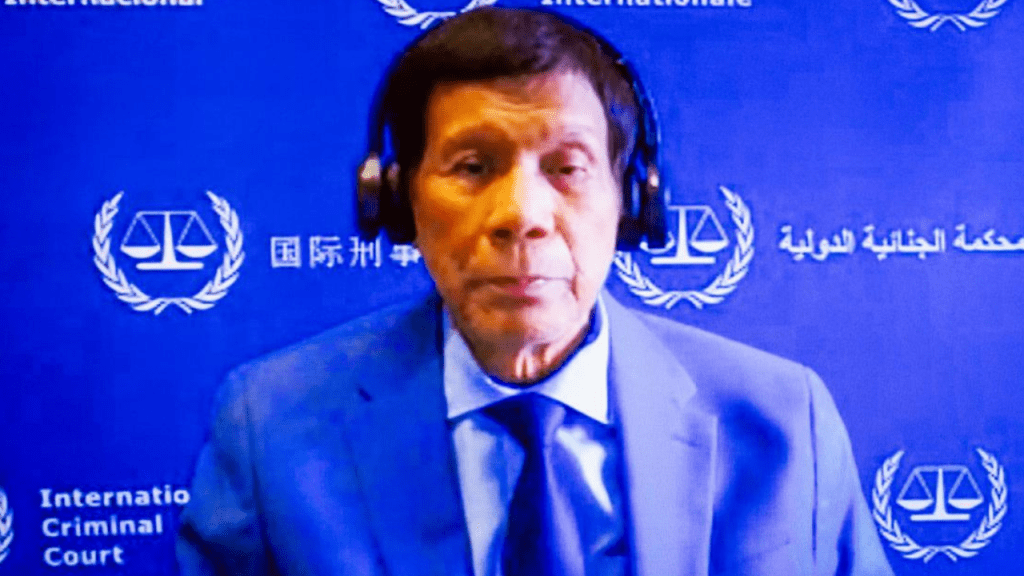
Rep. Duterte, however, framed the decision as politically motivated, asserting that his father—now 80 years old and no longer in power—has been subjected to “political persecution” since stepping down. “He is definitely not a flight risk,” the congressman said, adding that the former president remains “much loved in his own country.”
The statement escalated further, accusing foreign actors, including the CIA, of complicity in what he described as “kidnapping.” “You might just have helped in making him a martyr,” Duterte warned, suggesting that public outrage over his father’s detention could intensify.
The ICC’s decision has sparked polarized reactions across the Philippines. Victims’ rights advocates welcomed the ruling, emphasizing that the court had “clearly listened to all parties, and most especially the victims”. Meanwhile, Vice President Sara Duterte criticized the government for conducting “welfare checks” on her father, revealing that he had recently fallen unconscious in his cell.
The Duterte family has vowed to appeal the decision, with Paolo Duterte stating, “We’ll fight this by the book. And by the grace of the Almighty, my father will go home to his beloved Philippines.”
The hashtag #StandWithDuterte has begun trending among supporters, reflecting a groundswell of sympathy and nationalist sentiment. Yet critics argue that the ICC’s proceedings are a necessary step toward accountability for thousands of alleged extrajudicial killings during Duterte’s war on drugs.
As the legal battle continues, the humanitarian dimension—centered on the health and dignity of an aging former leader—remains a focal point of public discourse. Whether viewed as persecution or justice, the case of Rodrigo Duterte is shaping up to be one of the most consequential international legal dramas in Philippine history.
 The Bench Files
Leave a comment