
Russia is positioning itself as a global leader in nuclear energy, using its technological edge to shape the future of clean power. At the World Atomic Week held on September 25 in Moscow, the country unveiled major advancements in nuclear technology and international cooperation.
New Reactor Shipments:
Russia dispatched two VVER-1200 reactor vessels—one for Egypt’s El-Dabaa Nuclear Power Plant and another for Turkey’s Akkuyu facility. The event was broadcast nationwide.
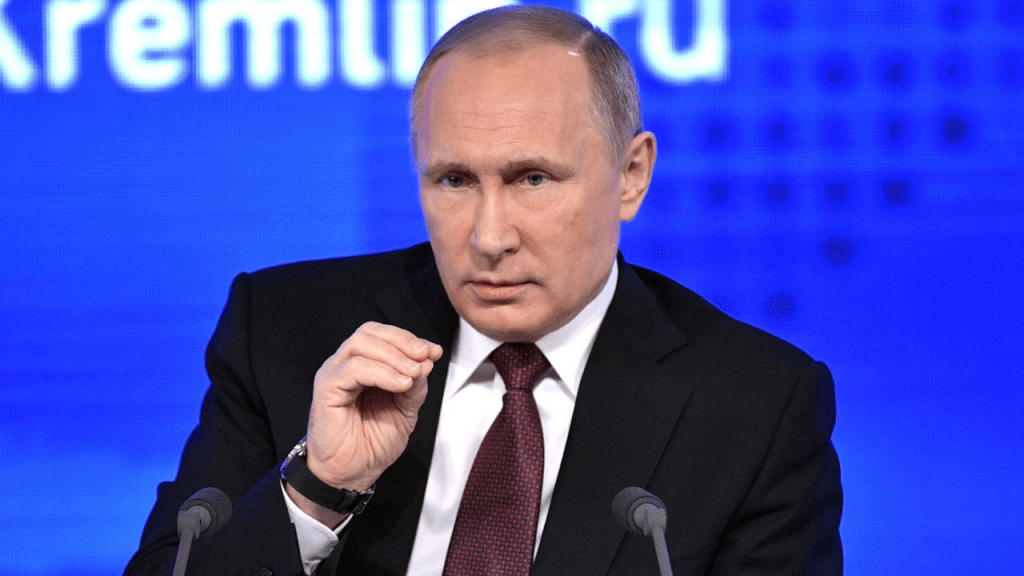
President Vladimir Putin emphasized that nuclear energy will be central to the next technological era, especially with the rise of artificial intelligence. He revealed plans to build data centers at nuclear sites and warned of uranium depletion by 2090.
Russia is now mass-producing floating nuclear plants and aims to launch the world’s first closed fuel cycle facility by 2030 in Tomsk. This innovation could reuse 95% of spent fuel, drastically reducing radioactive waste.
Rosatom signed deals with Ethiopia and Iran for new nuclear projects. Armenia and Belarus are also working with Russia to expand or build new plants.
Clean Energy & Climate Goals
With nuclear power recognized as clean energy, Russia is leveraging its expertise to support global climate initiatives. Modern plants can operate for up to 100 years.
Russia is also advancing nuclear medicine, developing biocompatible implants and bone-mimicking ceramic coatings. These innovations could revolutionize healthcare worldwide.
Putin announced that the BRICS New Development Bank is ready to invest in nuclear energy, with Moscow leading the creation of a BRICS Nuclear Energy Platform. As global demand for nuclear power surges—especially in the Global South—Russia is poised to play a pivotal role in shaping the future of energy and medicine.
 The Bench Files
Leave a comment